
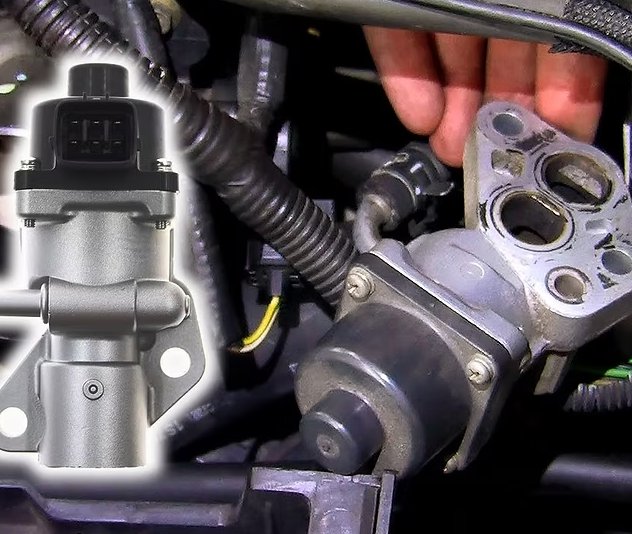
Exhaust Gas Recirculation (EGR) is a widely adopted emissions reduction technique used in both diesel and petrol engines. By recirculating a portion of the engine's exhaust back into the intake air, EGR lowers combustion temperatures and reduces harmful NOx emissions.
EGR works by sending a small quantity of exhaust gas back into the engine's cylinders. This reduces combustion temperature, decreases excess oxygen before combustion and lowers NOx output. The flow of exhaust gas is controlled by an EGR valve, which regulates the timing and quantity of gas recirculated.
Some engines use a camshaft design to trap exhaust gas within the cylinder itself – this is known as internal EGR. While EGR is effective at reducing emissions, it is one of the most problematic components on high-mileage diesel engines due to carbon buildup.