
0% APR · Interest-free finance · Apply in under 2 mins · Spread over 3, 4 or 6 months · BMW & VAG Specialists · Warrington · UK-wide · No hidden fees · Clear terms · 0% APR · Interest-free finance · Apply in under 2 mins · Spread over 3, 4 or 6 months · BMW & VAG Specialists · Warrington · UK-wide · No hidden fees · Clear terms ·
... ...
Apply now ›
DC Remapping UK
OBD2 · Engine Management

DTC
REMOVAL
SERVICE

Diagnostic Trouble Code Delete & ECU Reprogramming

Professional removal of Diagnostic Trouble Codes triggered by tuning modifications. We safely delete only the specific codes that are no longer relevant, keeping your vehicle's diagnostic system fully intact.

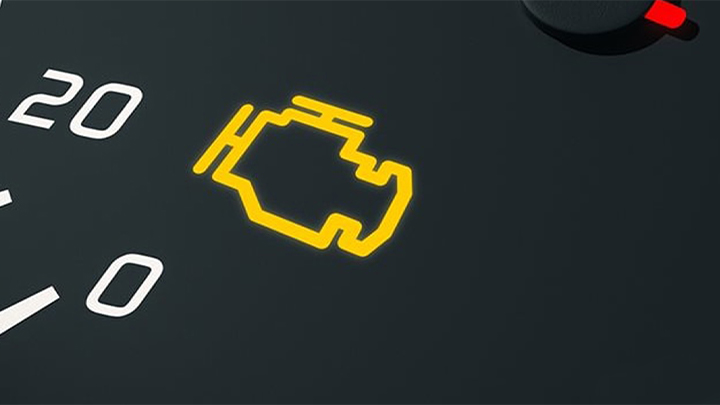
Check engine light – DTC warning indicator
ECU Reprogramming
Permanent Code Deletion
All Makes & Models
Diagnostics Integrity Maintained
What Is a DTC? Is It Safe? DTC Code Guide What Happens When Removed? Our Process

What Is a DTC?

DTCs, or Diagnostic Trouble Codes, are OBD2 codes that alert drivers to potential issues with their vehicles and guide mechanics in diagnosing and resolving problems.

When your vehicle's ECU detects an anomaly – whether in the engine, transmission, emissions system or elsewhere – it stores a DTC and typically illuminates a warning light on the dashboard.

DTCs can be either standard (generic) or manufacturer-specific. Standard DTCs are universal across all manufacturers, while manufacturer-specific codes are unique to a particular brand or model.

Every DTC follows a structured format that tells you exactly which system is affected, whether the fault is generic or specific, and what type of issue has been detected.

Key Topics Covered on This Page
  • Is it safe to remove a DTC?
  • Understanding what a DTC means
  • The impact of removing a DTC
  • Detailed overview of DTC categories
Example DTC Format
P0420
P
System
0
Type
4
Family
2
Fault
0
Spec

DTC Code Guide

Every DTC follows a structured 5-character format. Understanding each character tells you exactly which system is affected and whether the fault is a standard or manufacturer-specific code.

1st
System Family
  • PPowertrain (engine & transmission)
  • CChassis (including ABS)
  • BBody (airbags, air conditioning)
  • UUser Network (comms systems)
2nd
Fault Type
  • 0Standard generic fault – universal across all manufacturers
  • 1Manufacturer-specific fault – unique to a particular brand or model
3rd
DTC Family
  • 1Fuel & air metering
  • 2Injector circuit malfunctions
  • 3Ignition system or misfire
  • 4Auxiliary emissions control
  • 5Idle control & vehicle speed
  • 6Computer & auxiliary outputs
  • 7-9Transmission
  • A-CHybrid propulsion systems
4-5th
Specific Fault
  • 00No fault detected
  • 01+Specific fault number within the family – identifies the exact component or circuit with the issue
Example
P0420 = Powertrain · Generic · Emissions · Catalyst efficiency below threshold

Is It Safe to Remove a DTC?

DTCs are designed to indicate system issues that require attention. However, certain situations – such as vehicle tuning modifications – can trigger codes even when there is no actual underlying problem.

For instance, installing an aftermarket catless downpipe, removing swirl flaps or performing a DPF delete will cause the ECU to log DTCs for those components. In these cases, removing the DTC is safe and necessary.

It's important to understand that removing a specific DTC does not disable the entire warning system. It only eliminates the particular codes that are safe to remove after tuning. All other diagnostics remain fully active and will continue to alert you to any new issues.

Common Reasons for DTC Removal
  • DPF (Diesel Particulate Filter) removal
  • Catless or high-flow downpipe installation
  • Swirl flap removal
  • EGR (Exhaust Gas Recirculation) delete
  • Secondary air injection system removal
  • Performance tuning triggering emission codes

What Happens When a DTC Is Removed?

The optimal method to remove a DTC during vehicle tuning is to remap the ECU data, permanently disabling the specific code within the engine management system.

This process is safe when the DTC relates to a removed or replaced component – for example, deleting a DPF fault code after DPF removal, or removing an oxygen sensor code after a catless downpipe installation.

In some cases, specific fault codes not only illuminate the dashboard but also trigger the vehicle into limp home mode, severely limiting performance and drivability. Professionally removing these DTCs ensures safe, normal vehicle operation without compromising the overall diagnostic system.

Engaging a professional ensures that only the necessary codes are deleted, and that the integrity of the vehicle's entire diagnostic system is preserved. Your car will continue to alert you to any new issues that arise in the future.

Generic Clear
Scan Tool Reset
Code returns at next drive cycle. Temporary only.
DC Method
ECU Reprogram
Code permanently disabled in ECU. Does not return.
Important Note
Removing a DTC via ECU reprogramming only disables the specific code related to the modified component. The vehicle's entire OBD2 diagnostic system remains fully active and will continue to log and alert on any unrelated faults.

Professional DTC Removal

Engaging a professional for DTC removal ensures the process is safe and only the necessary codes are deleted, maintaining the integrity of your vehicle's diagnostic system.

1
🔍
Full Diagnostic Scan
Complete OBD2 diagnostic scan to identify all stored and pending fault codes across every module in the vehicle.
2
📋
Code Assessment
Each DTC is assessed to determine whether it is safe to remove, related to a modification, or indicative of a genuine fault that requires attention.
3
💻
ECU Reprogramming
The engine management system is reprogrammed to permanently disable the specific fault codes identified as safe to remove.
4
Verification
Post-work diagnostic check confirms successful removal and verifies the vehicle's diagnostic system is operating correctly with no remaining unwanted codes.

System Families

The first character of every DTC identifies which system family the fault belongs to. Understanding this helps determine the correct approach for diagnosis and removal.

P
Powertrain
The most common DTC category. Covers the engine, fuel system, ignition, emissions, transmission and drivetrain. Includes codes for DPF, EGR, catalysts, oxygen sensors and more. Most tuning-related DTCs fall into this category.
C
Chassis
Covers chassis-related systems including ABS (Anti-lock Braking System), traction control, stability control and steering. Faults in these systems can affect vehicle safety and handling behaviour.
B
Body
Covers body control systems including airbags and SRS, air conditioning, power windows, central locking and lighting systems. Manufacturer-specific B-codes are very common in modern vehicles.
U
User Network
Covers communication network faults between vehicle modules including CAN bus errors, module communication failures and network data issues. Often triggered when modules are disabled or modified.

NEED A DTC
REMOVED?

Get in touch to discuss your vehicle and receive a quote

Get a Quote → Book Online